
Bookkeeping Cleanups - Their Importance and How to Approach Them
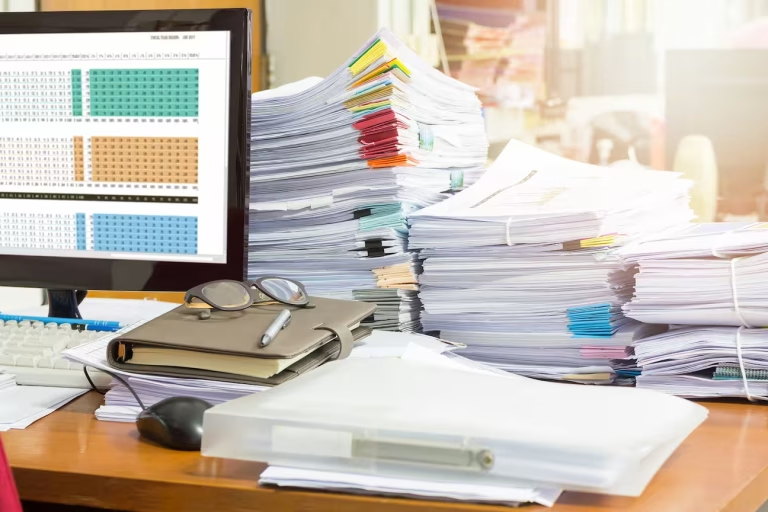
Operating a business often presents challenges that can lead to neglecting your financial records, making bookkeeping cleanups essential. Neglecting your books can result in significant inaccuracies, missed opportunities, and increased stress. Whether you are preparing for tax season, undergoing an audit, or seeking a better understanding of your finances, conducting a bookkeeping cleanup is crucial.
In this blog, I will highlight the importance of bookkeeping cleanups, discuss how to approach them effectively, and provide practical tips for maintaining accurate financial records in the future.
Bookkeeping Cleanups – Understanding Their Value
A messy set of books can create serious issues, including:
- Inaccurate Financial Reports – Misplaced transactions or missing records can skew your financial statements, leading to poor decision-making.
- Tax Problems – Incorrect bookkeeping can result in overpaid or underpaid taxes, penalties, and unwanted attention from the South African Revenue Service (SARS).
- Cash Flow Confusion – Without clear records, tracking income and expenses becomes difficult, making it harder to manage cash flow effectively.
- Business Growth Roadblocks – Investors, lenders, and stakeholders rely on accurate financials to assess the health of a business. Poor bookkeeping can hinder funding and expansion opportunities.
How to Approach Bookkeeping Cleanups
- Review and Reconcile Accounts
Start by pulling all your financial statements, including bank statements, credit card transactions, and payroll records. Compare these against your bookkeeping records to ensure accuracy. Identify any missing or duplicated entries and correct them.
- Categorise Expenses Properly
Incorrect categorisation of transactions can skew your financial reports. Go through each expense and make sure it’s assigned to the correct account. If you’re unsure, seek professional advice.
- Missing Entries
Gather and capture all missing invoices, receipts, or payments. Make it a habit to record transactions in real-time to prevent future headaches.
- Outstanding Invoices
Late payments and outstanding invoices can mess up cash flow. Follow up on unpaid invoices, settle overdue payments, and establish a system to track due dates efficiently.
- Compliance with Tax Regulations
Check your bookkeeping records against tax requirements. Are income tax, VAT, or payroll taxes correctly accounted for? If you find discrepancies, correct them immediately and consult a tax professional if needed.
- Automate and Streamline Processes
Consider using accounting software to automate repetitive tasks, reduce errors, and keep your records organised. Popular solutions like QuickBooks Online, Sage Cloud Accounting, and Xero can help streamline the process.
- Ongoing Maintenance
Once your books are accurate and up to date, set up regular review sessions—whether weekly, monthly, or quarterly—to maintain accuracy.
Practical Tips
Maintaining accurate financial records is key to avoiding another bookkeeping cleanup in the future. Here are some practical tips.
- Set a Regular Schedule for Record-Keeping
Make bookkeeping a consistent habit rather than an occasional task. Set aside time weekly or monthly to review transactions, reconcile accounts, and ensure everything is in order.
- Keep Digital and Physical Copies of Important Documents
Store invoices, receipts, and financial statements in a secure cloud-based system or physical filing system. Having backup documentation ensures you’re prepared for audits or financial reviews.
- Use Reliable Accounting Software
Use reliable accounting software like QuickBooks Online, Sage Cloud Accounting and payroll, or Xero to automate record-keeping, categorise expenses, and reduce human errors.
- Reconcile Bank and Credit Card Statements Regularly
Compare financial records with your bank and credit card statements to catch discrepancies early. Monthly reconciliations help prevent errors from compounding.
- Track Expenses in Real-Time
Rather than waiting until month-end, log expenses as they occur. Mobile apps can help streamline this process.
- Stay on Top of Invoices and Payments
Send invoices promptly and follow up on outstanding payments. Late payments can disrupt cash flow, so establish a clear system for monitoring due dates.
- Separate Personal and Business Finances
Use a dedicated business account for transactions to prevent financial confusion and maintain clean records.
- Review Financial Reports Regularly
Monitor profit and loss statements, balance sheets, and cash flow reports to spot trends, errors, and opportunities for improvement.
- Keep Up with Tax Deadlines and Compliance
Ensure tax records are accurate and submitted on time. Consider working with a tax professional to prevent costly penalties.
- Educate Yourself or Hire a Professional
If bookkeeping isn’t your strength, invest in training or hire an expert. A knowledgeable accountant can help keep your financial records in top shape.

Conclusion
A well-structured and organised bookkeeping system is the foundation of a healthy business. By ensuring your financial records are accurate and up to date, you empower yourself to make informed decisions, avoid costly errors, and confidently strategise for the future. Don’t wait for tax season or an audit to force you into a last-minute bookkeeping frenzy—act now and pave the way for your business’s success!
Are you ready to transform your financial management? Contact me today to elevate your bookkeeping practices!