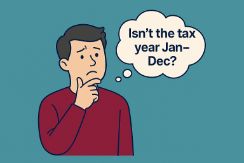
Many South Africans are confused about provisional tax in South Africa, especially when they hear terms like “ tax year.” It’s easy to assume this means January to December —but that’s not how SARS sees it.
Understanding Provisional Tax & the South African Tax Year
If you’ve ever felt confused when your tax practitioner mentions the “ tax year,” you’re not alone. Many South Africans assume this means January to December —but that’s not quite right. Let’s break it down in plain English.
What is the South African Tax Year?
In South Africa, the individual tax year runs from 1 March to 28/29 February of the following year. So when we talk about the tax year, we’re actually referring to the period from:
1 March to 28/29 February
This is the timeframe SARS uses to assess your income, expenses, and tax liability.
What is Provisional Tax?
Provisional tax is not a separate tax—it’s a way to prepay your income tax during the year, so you don’t get a big surprise when your final tax return is due.
It’s meant for people who earn income outside of regular employment, such as:
- Freelancers and sole proprietors
- Commission earners
- Rental income earners
- Investors earning interest or dividends
- Retirees with income from multiple sources
If you earn income that isn’t taxed via PAYE, SARS expects you to estimate your total income and pay tax in advance—twice a year.
When Are Provisional Tax Payments Due?
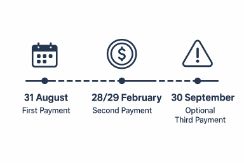
There are two compulsory payments and one optional:
- First payment – due 31 August (during the tax year)
- Second payment – due 28/29 February (end of the tax year)
- Third payment – optional, due 30 September (only if you underpaid)
These payments help spread your tax liability across the year, reducing the risk of penalties and interest.
Why Does This Matter?
If you’re earning interest, dividends, rental income, or freelance income, and you’re not making provisional tax payments, you could face:
- Unexpected tax bills
- Understatement penalties
- Interest charges from SARS
Understanding the tax year and provisional tax helps you plan better, avoid stress, and stay compliant.
Need Help?
At Schlebusch Tax & Accounting, I work closely with clients to explain these concepts in simple terms and help you stay on top of your tax obligations. Whether you’re retired, self-employed, or earning commission, I’ll guide you through the process with hands-on support and practical advice.
📩 Reach out today if you’re unsure whether you should be paying provisional tax or want to avoid nasty surprises next year.